


Can I afford America? That is the single most important question for anyone who wants an American vacation. Almost everyone wants to experience the American dream at least once in their lifetime. “But the US travel cost is so high that barely anyone can afford it.” Is it true, though? How expensive is the US anyway?
We’re here to answer these questions. We will discuss whether it’s possible to visit the US on a budget. And decide once and for all if America is too far and luxurious for our bank accounts. Keep on reading as we cover every aspect of US travel costs, money-saving tips, and top free things to do in the US.
How Expensive Is the US to Travel to?
To give you a clear idea, an average traveler now spends around $250–$350 per day for a mid-range trip in the United States. Your exact daily cost depends heavily on your travel style, destination, and season.
If you’re traveling on a budget, it’s still possible to keep your USA travel costs around $120–$150 per day by choosing hostels, public transport, and affordable food options.
On the other hand, luxury travelers can easily spend $700–$1,000+ per day, especially in expensive cities like New York, San Francisco, or Honolulu.
For longer stays:
- One-week trip to the U.S.: approximately $1,750–$2,450 per person for a mid-range traveler.
- One month in the U.S.: expect around $4,500–$9,000, depending on where you stay and how often you move between cities.
| Duration | Budget Trip (USD) | Mid-Range Trip (USD) | Luxury Trip (USD) |
|---|---|---|---|
| One Day | $130 | $350 | $1,000 |
| One Week | $910 | $2,450 | $7,000 |
| Two Weeks | $1,820 | $4,900 | $14,000 |
| One Month (30 days) | $3,900 | $10,500 | $30,000 |
| Three Months (90 days) | $11,700 | $31,500 | $90,000 |
US Travel Costs
Let’s see how tourists in America spend their money. The most important expenses among US travel costs are flight, accommodation, food, and transportation. Do you think you can spend less than $120 in America? Let’s see if you can manage these expenses.
Visa and Plane Ticket Costs
First things first, you need to get to the US. This means you must prepare your entry documents and plane tickets. Although these expenses aren’t spent inside of the US, you must consider them when asking how expensive is the US.
Let’s start with the US visa application process. First, check if your hometown country supports the Visa Waiver Program. It might not top America’s Green Card, but it’ll let you enter the US visa-free.
On the other hand, if you’re not lucky enough to use the VWP, you better hurry! The great trial of US visa application awaits you! The process isn’t complicated but it might take a long time, as long as two years to get an interview session with some US embassies. Learn about the steps and practice patience and you’ll be fine! But that’s another story. For now, save $185 for the visa while planning your US travel costs.
After getting your visa, it’s time to hop on a plane and discover the American dream. And what would be the cost of that? You tell us! We don’t know where you live and cannot accurately estimate your plane ticket to the US. However, we’ve gathered a list of some of the busiest flight routes to the US and their costs. You can also get cheaper plane tickets if you’re going to the US on a budget.
| Route | Average Cost |
|---|---|
| London (LHR) – New York (JFK) | $700 – $1,200 |
| Toronto (YYZ) – New York (JFK) | $300 – $500 |
| Cancun (CUN) – Houston (IAH) | $250 – $450 |
| Mexico City (MEX) – Los Angeles (LAX) | $350 – $600 |
| Tokyo (NRT) – Los Angeles (LAX) | $800 – $1,500 |
| Paris (CDG) – New York (JFK) | $750 – $1,300 |
| Frankfurt (FRA) – Chicago (ORD) | $700 – $1,200 |
| São Paulo (GRU) – Miami (MIA) | $600 – $1,100 |
| Seoul (ICN) – San Francisco (SFO) | $900 – $1,600 |
| Sydney (SYD) – Los Angeles (LAX) | $1,000 – $1,800 |
| Dubai (DXB) – New York (JFK) | $900 – $1,500 |
| Istanbul (IST) – New York (JFK) | $800 – $1,300 |
US Travel Costs for Accommodation
- Budget: $55 – $90 per night
- Mid-range: $120 – $180 per night
- Luxury: $350 – $800+ per night
For example:
- A mid-range double room typically costs $240 – $360 per night total.
- A budget double room costs $110 – $180 per night total.
| City | Budget | Mid-Range | Luxury |
|---|---|---|---|
| New York City | HI NYC Hostel (from $55) | Pod 39 / Pod Times Square (from $295) | The Ritz-Carlton (from $2,050) |
| Los Angeles | The Steady Hostel (from $135) | Hotel Angeleno (from $145) | The Beverly Hills Hotel (from $1,750) |
| San Francisco | Green Tortoise Hostel (from $105) | Hotel Nikko (from $270) | The St. Regis San Francisco (from $560) |
| Miami | Freehand Miami (from $95) | The Palms Hotel & Spa (from $240) | The Setai Miami Beach (from $1,150) |
| Orlando | Rosen Inn at Pointe (from $72) | Hyatt Place Orlando (from $165) | Four Seasons Resort Orlando (from $1,620) |
| Chicago | Chicago Getaway Hostel (from $60) | Kinzie Hotel (from $165) | The Peninsula Chicago (from $575) |
| Las Vegas | Sin City Hostel (from $55) | The LINQ Hotel (from $125) | The Bellagio (from $520) |
Best Time to Visit the USA on a Budget
Choosing when to travel can dramatically change your total U.S. travel cost. Flight prices, hotel rates, car rentals, and attraction fees all fluctuate throughout the year. Understanding these patterns helps travelers plan a budget-friendly trip without compromising the experience.
Cheapest Months to Travel to the USA
If your goal is to save money, these months offer the biggest discounts:
- January and February
After the holiday season, tourism slows down. Hotels, flights, and car rentals drop significantly. Winter destinations may be cold, but cities like Miami, Los Angeles, and Phoenix remain enjoyable. - September
Summer crowds disappear, temperatures cool, and prices fall. This is a perfect month for national parks, city trips, and road trips. - Late October
Another quiet period when most attractions are still open, but hotel rates are far lower than in summer.
Tip: Mid-week flights (Tuesday–Wednesday) are usually the cheapest.
Most Expensive Months to Visit the USA
If you’re traveling on a tight budget, try avoiding:
June, July, August (Peak Summer)
School holidays cause a surge in domestic and international tourism. Expect inflated prices everywhere, from hotels to theme parks.
December (Holiday Season)
Christmas, New Year’s, and winter festivals lead to some of the highest hotel and flight prices of the year.
Major U.S. Holidays
- Thanksgiving (late November)
- Memorial Day (late May)
- Labor Day (early September)
Prices rise, and availability becomes limited.
Shoulder Seasons: Best Value for Money
Shoulder seasons offer the best balance between weather, prices, and crowd levels:
March–April (Spring)
Pleasant weather across most states, blooming national parks, and moderate hotel rates.
Late September–October (Fall)
Ideal temperatures, amazing fall foliage, and lower travel costs compared to summer.
Why shoulder seasons are ideal for budget travelers:
- Lower hotel and flight prices
- Fewer crowds at attractions
- Better availability for tours and accommodations
- Perfect weather for road trips and city walks
How to Travel Between Cities Cheaply in the US
Getting around the United States can be expensive because of long distances, but several budget-friendly transportation options help travelers explore multiple cities without overspending. Here are the most affordable ways to travel across the country:
Budget Airlines (Cheapest for Long Distances)
Several low-cost airlines operate across major US cities, often offering fares far cheaper than mainstream carriers:
- Spirit Airlines: ultra-low prices with optional add-ons
- Frontier Airlines: great for flexible travelers
- Southwest Airlines: includes free checked bags and no change fees
Train Travel with Amtrak (Scenic + Affordable Alternatives)
While not always the cheapest, Amtrak offers reasonable fares when booked in advance.
Budget tips include:
- Choose Saver Fares for early bookings
- Use Amtrak Guest Rewards for discounts
- Take overnight trains to save on accommodation
This is ideal for travelers who prefer comfort and scenic routes over flying.
Long-Distance Buses (Most Affordable Option)
Buses are one of the cheapest ways to travel between cities in the US, especially on popular routes.
Top budget bus companies:
- Greyhound: the largest national network
- Megabus: very low fares when booked early (sometimes $1–$10)
- FlixBus: clean, modern buses with Wi-Fi
Perfect for students, backpackers, and slow-travel explorers.

Food Costs When Traveling to the US
$90 daily. That’s the average money travelers spend on food in the US. But as you probably guessed, your diet preferences can change this number. Tourists in the US spend about $37 daily on food when visiting the US on a budget. And they might spend over $250 for fine dining.
When planning on your US travel costs, food is a major category right after accommodation. Two-dollar tacos or a five-dollar Big Mac are always there to help you manage the high costs of the US. But if you don’t care about how expensive is the US, fine dining is a must-try in America.

US Travel Costs of Transportation
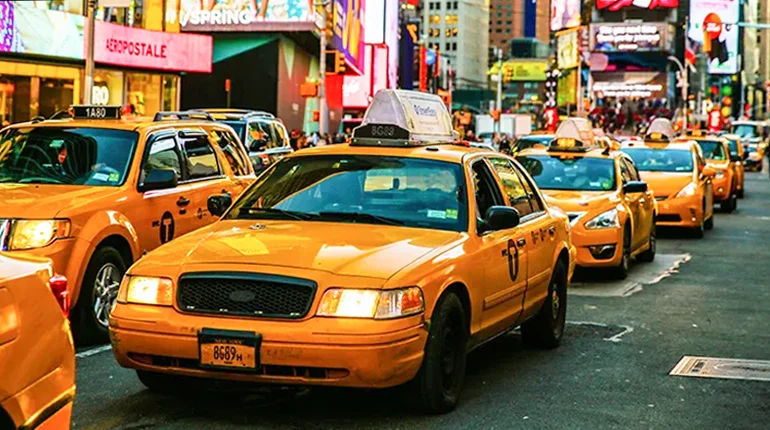
The average transportation cost in the US for each traveler is around $45. Most of this amount is spent on taxi rides. So if you’re looking for money-saving tips, use public transportation. The average cost of a subway ticket is $2.49 and bus rides are $1.79.
However, we highly suggest renting a car in the US. Although public transportation in America’s major cities is reliable, it’s very limited in smaller towns. You cannot freely get around without having a car of your own.
Moreover, car rental is advisable for those exploring the US on a budget. It’ll let you avoid the hefty prices of constant taxi or Uber rides. Instead, spend 50 bucks on an economy car for rent.
US Travel Cost: Other Considerations
Let’s cover some other categories. They won’t cost you much, but you must still consider them when planning your US travel costs.
- Sightseeing: An average tourist in America spends around $55 daily for sightseeing, entrance fees, and other fun activities.
- Alcohol: Visitors in the US spend approximately $27 on alcohol daily.
- Travel Insurance: We suggest travel insurance for your US trip. Add around $100 to $400 to your US travel costs for insurance.
- Domestic Travel: The easiest way to get around the US is by using domestic flights. A round-trip ticket from New York to Los Angeles starts from $180–$350.
- Internet: It costs around $40–$60 to get a local SIM card with internet in the US. However, using public Wi-Fi connections can be a good trick for lowering your US travel costs.
- Tipping: You might not usually tip in your hometown. But not tipping in the US is taboo. The usual tipping rate in the US is 20-25% of your bill.
- Shopping: You tell us how much of a shopaholic you are! But even if shopping is not your favorite activity, you should save up at least $80 to buy some souvenirs.
- Gas Price: Are you renting a car in the US? You should pay $1.00–$1.20 per liter for gas.

US on a Budget: How to Travel Cheap in the US
I’ve got good news for those looking to visit the US on a budget. We want to put an end to the argument about how expensive the US is. We believe the US can be affordable. It might not be as cheap as some Asian countries, but your US travel costs can be manageable. You just need to follow some simple guidelines and know some money-saving tips.
Cost-Saving Tips for Exploring the US on a Budget
Wondering whether it’s possible to visit the US on a budget? Check these must-know tips before packing your bags:
- There are many free campsites in the US. Instead of staying in a hotel, you can go on an adventurous camping journey through the US’s forests.
- Renting a car is a must for anyone visiting the US on a budget. You’ll avoid taxi costs and can go on cheap road trips.
- Explore other sides of the US. Stay out of the major cities to half your US travel costs.
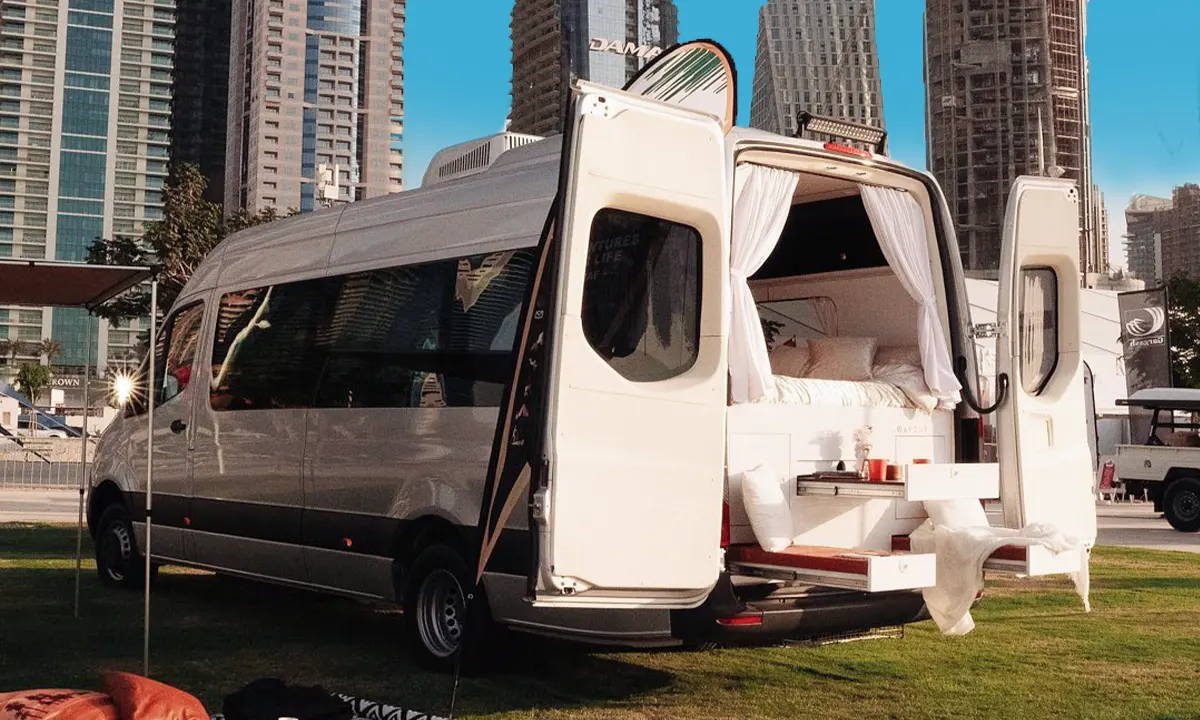
- Rent a bigger vehicle, such as a van, that allows you to sleep in it. Although not the most luxurious way to spend your nights, this trick literally eliminates accommodation costs.
- Seek cheaper accommodation. You can stay in a dorm-style hostel, or motel, use Airbnb, and Couchsurf.
- Visit the US in May or September, before or after the summer vacations when the prices are at peak.
- Hitchhike. Hitchhiking in the US is a lot safer than you think.
- Use travel insurance to cover some expenses such as healthcare. Believe me, you don’t want to face a hospital bill in the US on your own!
- Eat in cheaper places suck as diners or food trucks.
- Stay in accommodation with a kitchen to cook your meals.
- If you’re a nature-lover, buy a National Parks Pass. It will guarantee free access to National Parks and Federal Lands in the US for a year and costs only $80.
- Shop at outlet malls for discounted clothing and goods.
- Use apps like WhatsApp or Skype for free calls and messages.
Cheapest States to Visit in the USA (Great for Budget Travelers)
Texas
- Large cities with competitive hotel prices
- Affordable food + many free outdoor attractions
Nevada (outside Las Vegas)
- Small towns are extremely cheap
- National parks and scenic drives cost very little
Arizona
- Budget-friendly hotels
- Stunning natural attractions like Sedona and the Grand Canyon (entrance only, no extra cost)
New Mexico
- One of the cheapest states for food + transportation
- Great cultural sites with low entrance fees
Georgia
- Atlanta is affordable compared to other major cities
- Cheap public transport and reasonable accommodation prices
Why are these states cheaper?
- Lower hotel taxes
- Lower food + transport prices
- Many free outdoor attractions
- Less tourism saturation than coastal states
Most Expensive States to Visit in the USA
These states are famous but very costly due to high tourism demand, expensive accommodation, and steep transportation costs.
New York
- Hotel prices are among the highest in the country
- Attractions, museums, and dining add up quickly
California
- Expensive cities (Los Angeles, San Francisco)
- High fuel prices + parking fees everywhere
Hawaii
- Flights + accommodation are extremely costly
- Resort taxes and island transportation increase expenses
Alaska
- Limited accommodation availability
- Higher food + transport costs due to remote location
Why are these states expensive?
- High demand from international tourists
- Higher taxes and service fees
- High season-driven pricing
- Expensive transportation, especially in Hawaii and Alaska

Hidden and Unexpected Travel Costs in the USA You Should Know About
Sales Tax (Varies by State)
Prices displayed in U.S. stores do not include tax.
At checkout, an additional 4% to 10% (depending on the state and city) is added to your bill.
For example:
- New York City: 8.875%
- Los Angeles: 9.5%
- Oregon: 0% (no sales tax)
Tip: Always expect your final price to be higher than the shelf price.
Hotel “Resort Fees” and Extra Charges
Many hotels, especially in major cities or tourist areas, charge:
- Resort fees (USD 15–50 per night)
- Urban destination fees
- WiFi, gym, or pool access fees
These are often not included in the initial booking price.
Tip: Check the “additional fees” section before booking.
Tipping Culture (Mandatory in Many Situations)
The U.S. has one of the strongest tipping cultures in the world.
You are expected to tip:
- Restaurants: 15%–20%
- Taxi or Uber drivers: 10%–15%
- Hotel staff (bellhop, housekeeping): USD 1–5
- Tour guides: USD 5–10
Parking Fees in Cities
Parking in big cities like New York, Chicago, Boston, and San Francisco can be expensive:
- Street parking: USD 2–7 per hour
- Parking garages: USD 20–60 per day
In some neighborhoods, parking is almost impossible without paying a premium.
National Park Entrance Fees
If your U.S. trip includes nature or road trips, note that most parks charge entrance fees:
- Standard park entry: USD 15–35 per vehicle
- “America the Beautiful” annual pass: USD 80 (worth it for long trips)
Toll Roads
Many highways, especially on the East Coast, have tolls, costing:
- USD 1–15 per toll
- Cashless toll systems (EZ-Pass) may charge rental car users extra admin fees
Service Fees on Online Booking Platforms When booking:
When booking:
- Flights
- Hotels
- Events
- Attractions
Many U.S. booking websites add:
- Service charges
- Convenience fees
- Processing fees
These can add up to 5%–15% extra.
Free Things to Do to Lower Your US Travel Costs
Traveling to the United States can seem daunting when working with a tight budget. With questions like “How expensive is the US?” or “Can I enjoy the US on a budget?”, many travelers assume America will plunder their bank accounts! However, the good news is that the US offers countless free activities. Knowing one or two of them lowers your US travel costs and makes you an expert yourself. Soon, you’ll be advising other US visitors.
Whether you’re an adventurer, a history buff, or someone who loves vibrant city vibes, these free activities are perfect for maximizing your experience without draining your wallet.
Wondering how to travel the US for free? Check this list of the top free things to do in the US:
- Explore National Parks with Free Entry Days
Many of the US’s breathtaking national parks, like Yellowstone or the Grand Canyon, waive their entry fees on specific days. Even when not free, many parks offer low-cost passes for budget-conscious travelers.
- Take a Stroll on Iconic Streets and Neighborhoods
Walk through Times Square in New York City, the Las Vegas Strip in Nevada, or the Freedom Trail in Boston for free. These locations offer endless sights and photo opportunities at no cost.
- Visit Free Museums and Galleries
Some world-class museums, like the Smithsonian Museums in Washington, D.C., or the Getty Center in Los Angeles, offer free admission. Look out for free museum days in other cities, too.
- Enjoy Scenic Hikes and Nature Trails
From the Appalachian Trail in the East to Runyon Canyon in Los Angeles, there’s no shortage of incredible free hiking opportunities to enjoy America’s natural beauty.
- Relax on Beautiful Beaches
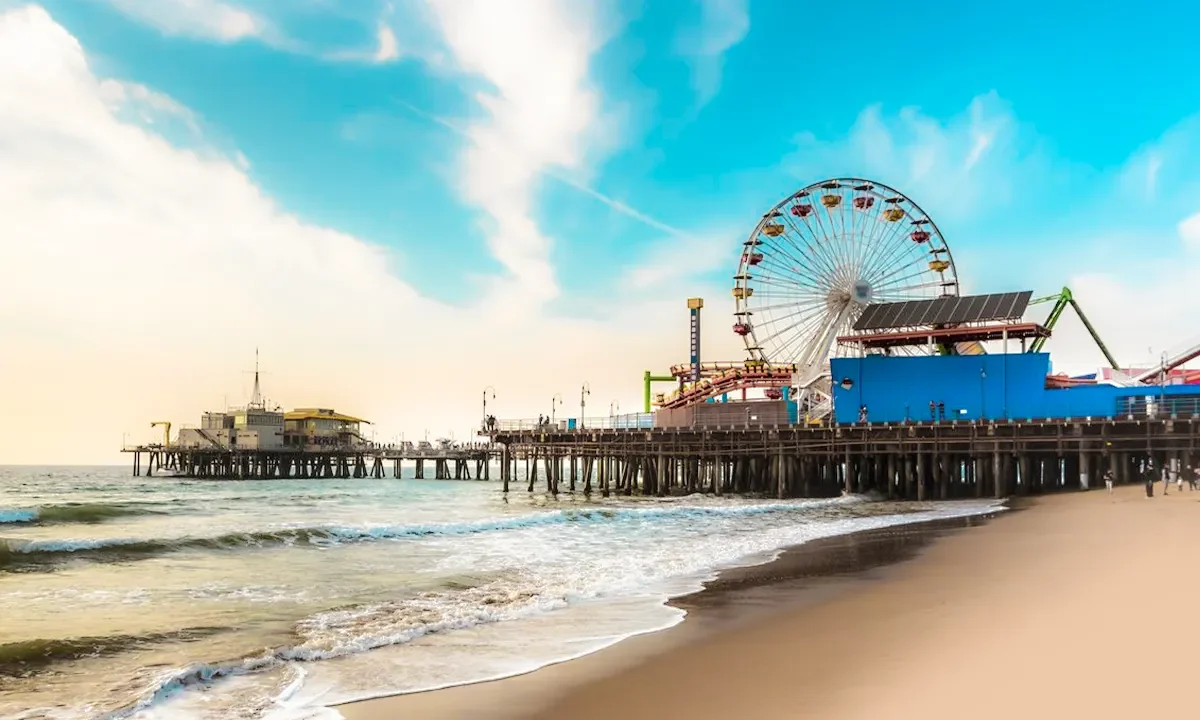
Visit famous beaches like Miami’s South Beach, Santa Monica Beach in California, or Waikiki in Hawaii. Many beaches are free and perfect for a relaxing day.
- Attend Free Festivals and Events
Cities across the US host free festivals and events throughout the year, like the Chicago SummerDance Festival, the Washington, D.C. Cherry Blossom Festival, or outdoor concerts in Central Park.
- Tour Iconic Landmarks
Marvel at landmarks like the Golden Gate Bridge in San Francisco, the Hollywood Walk of Fame in Los Angeles, or the Lincoln Memorial in D.C., all of which are free to access.
- Explore Farmers’ Markets
Wander through local farmers’ markets like Pike Place Market in Seattle or the Ferry Building Marketplace in San Francisco. It’s a great way to experience local culture without spending much.
- Join Free Walking Tours
Many cities offer free guided walking tours that allow you to explore neighborhoods and learn about the history and culture of the area. Simply tip your guide if you’re able to!
- Watch the Sunset or Stargaze
Whether it’s the magical sunset at the Grand Canyon or stargazing in the dark skies of Utah’s national parks, these simple moments can make your trip unforgettable without costing a penny.

How Expensive Is the US for Road Trips?
When considering a road trip in the US, one of the first questions travelers ask is: “How expensive is the US for road trips?” The answer depends on your route, travel style, and planning. However, road trips can be surprisingly affordable with the right strategies. With its vast network of highways, breathtaking scenery, and countless roadside attractions, the US is perfect for exploring by car. So, embark on an epic road trip and visit the US on a budget!
Here’s a breakdown of typical costs and tips to help you enjoy a road trip without breaking the bank:
- Gasoline Costs
Fuel expenses are often a significant portion of your road trip budget. Gas prices vary widely depending on the region, with states like California being more expensive and southern states generally more affordable. On average, gas prices in the US range between $3 and $5 per gallon.
Tip: Use apps like GasBuddy to find the cheapest gas stations along your route.
- Car Rentals
Renting a car can range from $30–$100 per day, depending on the car type and location. Additional costs like insurance, one-way rental fees, and added drivers can increase the expense. Renting in less touristy cities or opting for economy cars can save money.
Tip: Compare rental prices using platforms like Kayak or Expedia and consider joining loyalty programs for discounts.
- Accommodation
For overnight stops, accommodation is a significant factor in how expensive your road trip becomes. Budget motels typically cost $50–$100 per night, while camping sites are much cheaper, often $10–$30 per night.
Tip: Save money by staying in roadside motels, camping in national parks, or even considering RV rentals if traveling with a group.
- Food and Dining
Road trips often lead to frequent stops for snacks and meals. Dining out at restaurants can quickly add up, with meals costing $10–$20 per person at fast-casual places or more for sit-down restaurants.
Tip: Stock up on groceries at budget stores like Walmart and use coolers to store meals and drinks. Opt for picnic spots instead of eating out every meal.
- Toll Roads and Parking Fees
Certain regions, especially in the Northeast and around major cities, have toll roads that can cost anywhere from a few dollars to $50 or more for long routes. Parking in urban areas can also add up quickly, with hourly rates ranging from $5 to $30.
Tip: Plan your route to avoid toll roads using apps like Google Maps or Waze and research free parking options in advance.
- Attractions
While many roadside attractions are free, some iconic spots like theme parks, guided tours, or certain national parks charge admission fees. Costs can range from $10–$50 per person, but annual park passes ($80) can be a great deal for frequent travelers.
Tip: Focus on free attractions like scenic drives, hiking trails, and historical landmarks to cut costs.

Last Word
Planning for a US trip can be intimidating. This vast country offers endless attractions and many activities that no to-do list is long enough to cover. And it gets even harder when planning for your US travel expenses. We know how financial planning for your US trip is difficult, especially if you’re planning to visit the US on a budget. That’s why we gathered these useful details to share with you.
We covered the major expenses during your US travel, how expensive the US is, and the top free things to do in the US to make your trip cheaper. We hope we were able to help you plan the perfect US trip. Good luck in America!
FAQ
What is the average travel cost in the US?
The average travel cost for tourists in the US is $330 per person daily. This number is suitable for a mid-range trip to the US. A luxury trip will increase your US travel costs to nearly $1,000 per person daily.
Is the USA expensive to visit?
The US is considered an expensive destination compared to other countries. However, there are tips that help you reduce your US travel costs.
How much money should I take to America for 2 weeks?
Tourists spend an average of $4,620 per person for two weeks in America.
How much does a meal cost in the US?
Half of the Americans spend somewhere between $11 to $20 per meal for one person.
What is the cheapest month to go to America?
January and February are the cheapest months to visit America. Winter’s cold weather drives away tourists and prices are the lowest after the holidays.