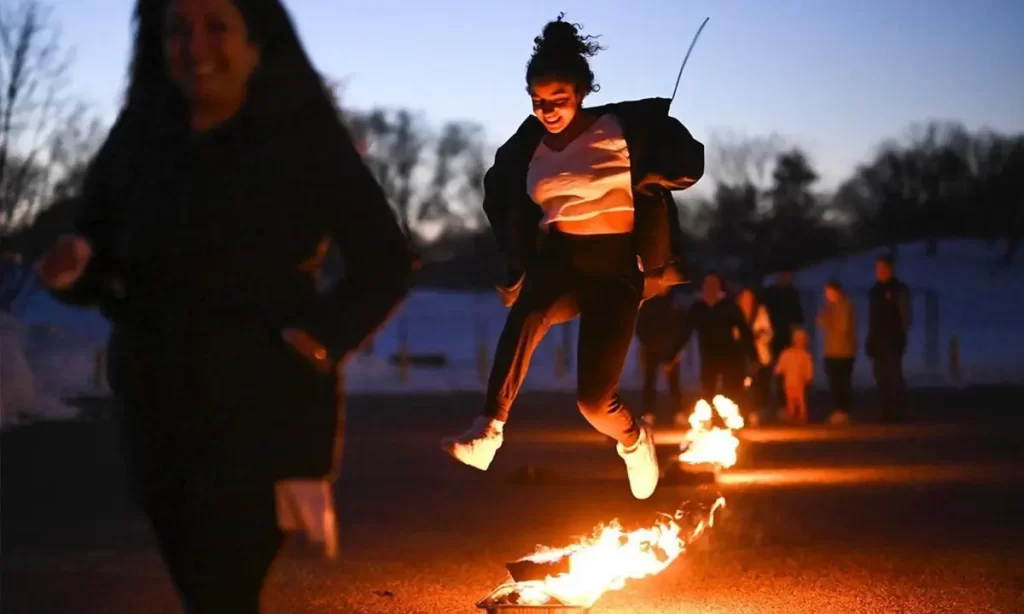


Chaharshanbe Suri in Iran: Celebrate the vibrancy of Chaharshanbe Suri, also spelled as Chaharshanbe Soori, on the eve of the last Wednesday before Nowruz, the Persian New Year. This ancient festival, deeply rooted in Zoroastrianism—one of the world’s oldest monotheistic religions and the state religion of Iran before Islam—highlights the rich cultural heritage of Iran. Experience the Chaharshanbe Soori event in Iran, where fire and light symbolize the triumph of good over evil, ushering in the new year with hope and joy.
What is the History of Chaharshanbe Suri in Iran?
Chaharshanbe Suri in Iran, also known as the Festival of Fire, is a captivating ancient tradition celebrated on the eve of the last Wednesday before Nowruz, marking the Persian New Year. This event, deeply rooted in Zoroastrianism—the predominant religion of the region before the advent of Islam—is a testament to the enduring impact of one of the world’s oldest monotheistic religions on Persian culture. The festival, which includes jumping over fires, symbolizes the purification and renewal of the spirit, epitomizing the cultural and historical significance of the Chaharshanbe Soori event in Iran.
Cultural Practices of Chaharshanbe Suri in Iran
Apart from fire jumping, other customs associated with Chaharshanbe Suri include:
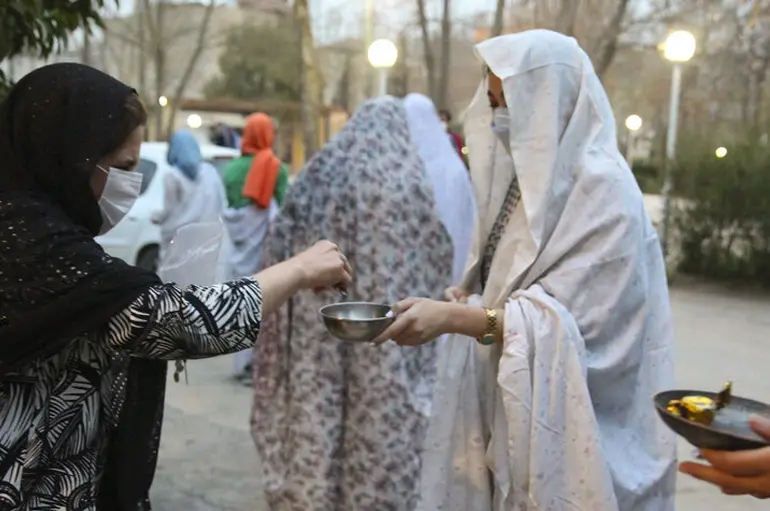
- Ghashogh Zani: People (mainly children) go door to door, hitting spoons against pots or plates to receive treats, similar to trick-or-treating.
- Fal-Gush: This involves listening to conversations behind walls or in the streets to interpret them as omens for the future.
- Kuze Shekani: People throw earthenware jars filled with water and symbolic of bad luck from the past year over rooftops to smash them, symbolizing the breaking away from the past year’s misfortunes.
Chaharshanbe Suri, A Festive Spark in the Persian Calendar
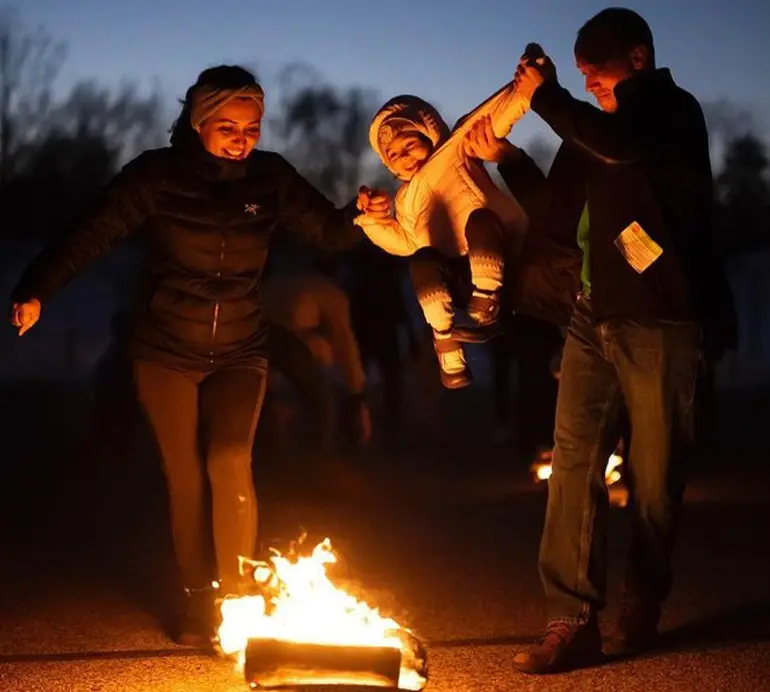
Starting with the ancient Iranian calendar, each year comprised 12 months, with each month spanning 30 days, totaling a year of 360 days—just five days and a few hours short of a full solar year. During this period, households engage in ‘Khane Tekani,’ a thorough cleaning ritual to welcome Nowruz, the New Year. In Iranian culture, fire signifies purity, renewal, vitality, well-being, and ultimately, the most tangible representation of the divine on earth. Everything about Chaharshanbe Suri in Iran, within the context of Persian cultural traditions, marks the prelude to New Year’s Eve celebrations. Historically, this festival has been a significant prelude to Nowruz and the New Year, maintaining its importance among various ethnic groups and citizens across Iran, celebrated as the Festival of Fire in Iran.
What are the Key Traditions Explored in Chaharshanbe Suri in Iran?
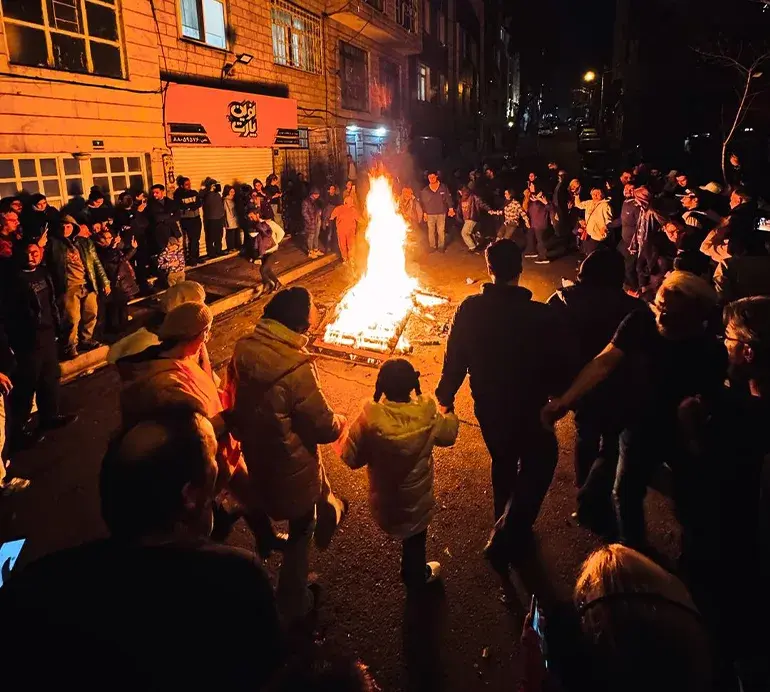
Across Iran, cities and villages alike mark Chaharshanbe Suri on the last Wednesday of the year. As the sun sets on Tuesday, signaling the eve of this day, people gather outdoors, in front of their homes or in suitable open spaces, to light fires. Participants of all ages and genders leap over the flames, reciting, “Zardi-e Man Az To, Sorkhi-e To Az Man,” symbolically shedding the past year’s sorrows and misfortunes into the fire to welcome the new year with happiness and peace.
But what deeper meaning lies within this ancient Persian phrase? It signifies a ritual purification, with “Suri” hinting at ‘redness’ or ‘sorkh’ in Farsi, embodying the transformation from ‘yellow’ (illness and problems) to ‘red’ (warmth and strength) through the fire’s purifying power. In a tradition of discarding the old, pottery items like bowls, plates, and jars filled with water and coins were rolled off roofs, symbolizing the letting go of the past.
Fortune-telling (‘Falgush’), where young girls make wishes and interpret overheard conversations as omens, and the ritual of ‘Ghashoq Zani’—where women, often veiled, knock on doors with a spoon or key to receive sweets, fruits, or money—are enduring practices of Chaharshanbe Suri, connecting the community and preserving ancient customs. These celebrations are central to the Fire Festival in Iran and are significant elements of the Chaharshanbe Soori event in Iran.
Last word
Chaharshanbe Suri embodies the rich heritage and vibrant spirit of Iran, merging ancient traditions with the joy of renewal. Through its iconic bonfires, communal rituals, and symbolic acts of purification, the festival strengthens bonds within communities and ushers in the new year with hope and joy. Chaharshanbe Suri in Iran is not merely a prelude to Nowruz but a celebration of life’s resilience and the enduring cultural legacy of the Iranian people, highlighting their deep connection to nature and heritage. This profound celebration is central to Everything about Chaharshanbe Suri in Iran and is a significant element of the Chaharshanbe Soori event in Iran.
FAQ
What is Chaharshanbe Suri?
It’s a fire-jumping festival held on the eve of the last Wednesday before Nowruz, symbolizing purification.
How is Chaharshanbe Suri celebrated?
People jump over small bonfires and set off firecrackers to ward off bad luck and welcome spring.
Is Chaharshanbe Suri a religious holiday?
No, it’s a cultural tradition with Zoroastrian roots, widely celebrated across Iran.
Can tourists witness Chaharshanbe Suri?
Yes, visitors are welcome to observe or join public celebrations, especially in larger cities.
What does the Chaharshanbe Suri symbolize?
Chaharshanbe Suri symbolizes the purification and renewal of the spirit, welcoming the arrival of spring. The tradition involves jumping over bonfires to “burn away” the misfortunes and negativity of the past year.
What do Persians say when they jump over the fire?
When jumping over the fire during Chaharshanbe Suri, Persians typically say, “Zardi-ye man az to, sorkhi-ye to az man” (زردی من از تو، سرخی تو از من), which translates to “My paleness is yours, your redness is mine,” symbolizing the transfer of health and vitality.
What does suri mean in Farsi?
In Farsi, “Suri” (سوری) means “Red,” referring to the symbolic color of fire and warmth, which plays a central role in the Chaharshanbe Suri celebration.