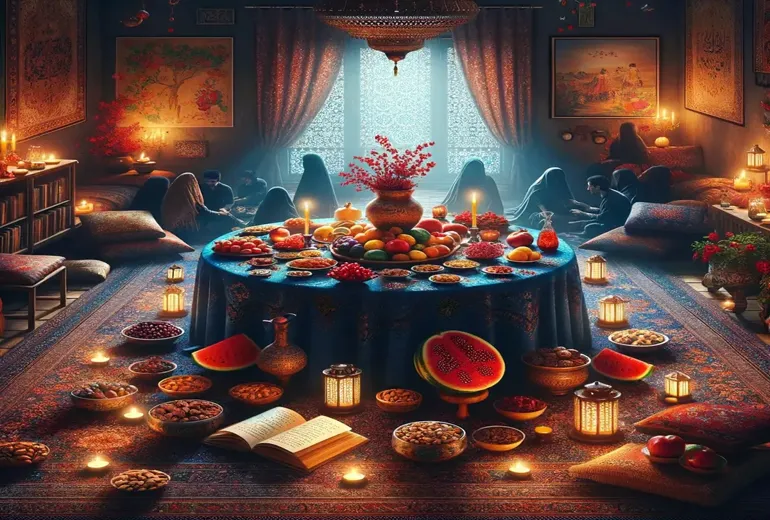


What do Iranian people do on Yalda night?
On Yalda night, Iranian people celebrate the longest night of the year with several traditional activities. Here are some key customs:
Gathering with Family and Friends: Families and friends come together, often at the home of the eldest family member, to share food, drinks, and enjoy each other’s company.
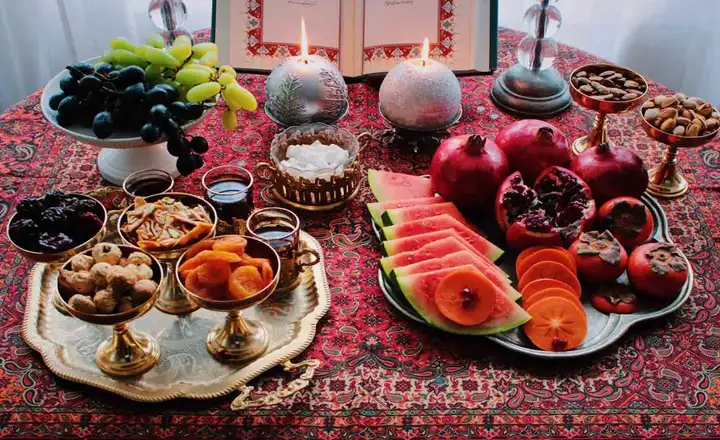
Eating Special Foods: A variety of special foods are served, with watermelon and pomegranates being particularly significant, symbolizing the sun and the glow of life. Nuts, dried fruits, and a range of Persian delicacies are also enjoyed.
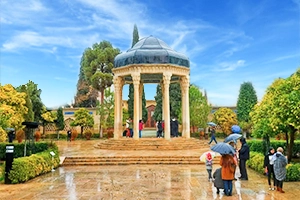
Reading Poetry: A cherished tradition is reading poetry, especially the works of the Persian poet Hafez. People often take turns reading and interpreting verses, sparking lively discussions and storytelling.
Staying Up Late: Since Yalda marks the longest night, it’s customary to stay awake through the night, symbolizing the triumph of light over darkness as dawn breaks.
The Story of Yalda Night in Iran, Echoes of Light
Yalda Night in Iran, celebrated on the winter solstice, marks the longest night of the year in Iran and symbolizes the triumph of light over darkness. This ancient festival, with roots in Zoroastrianism, involves families and friends gathering to share a feast of seasonal fruits like watermelons and pomegranates, nuts, and sweets, symbolizing life and the sun’s renewal. Reading poetry, particularly from Hafez, is a cherished tradition, adding a spiritual dimension to the festivities. Yalda is a time of joy, community, and the anticipation of brighter days ahead, embodying themes of rebirth and unity.
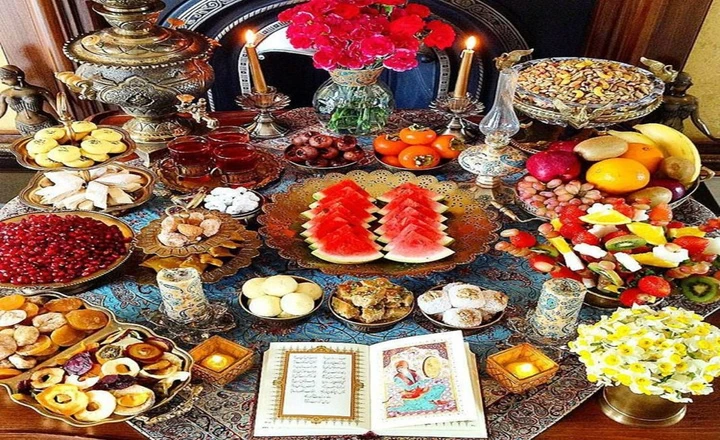
What is the history of Yalda night in Iran?
Yalda Night, marking the winter solstice, is one of Iran’s most ancient celebrations, with roots stretching back over 5000 years to Zoroastrian traditions. It symbolizes the triumph of light over darkness, celebrating the longest night of the year as a moment when the sun is reborn, leading to longer days. Established as an official holiday during the Sassanian era, Yalda is a time for families and friends to gather, stay up late, and protect each other from evil spirits by sharing a feast of seasonal fruits like watermelons and pomegranates, nuts, and sweets, symbolizing life and warmth. Reading poetry, particularly from Hafez, adds a spiritual dimension to the festivities. Despite changes over centuries, Yalda remains a deeply cherished festivity, highlighting themes of renewal, community, and the enduring spirit of Persian culture.
Exploring Yalda Night, Origins, Duration, and Significance
Yalda Night has been celebrated for over 5000 years, originating from ancient Zoroastrian traditions in Iran. This celebration marks the winter solstice, the longest night of the year, symbolizing the triumph of light over darkness and the rebirth of the sun, leading to longer days ahead. The term “Yalda” itself is derived from a Syriac word meaning “birth,” reflecting the event’s essence as a celebration of renewal and the victory of light.
The significance of Yalda Night extends beyond its historical roots, embodying themes of hope, joy, and community. It is a time for families and friends to gather, share a feast of seasonal fruits like watermelons and pomegranates, nuts, and sweets, and engage in reading poetry, particularly from the Persian poet Hafez. These practices are not just cultural rituals but symbolize life, continuity, and the warmth of human connections against the cold of winter.
In essence, Yalda Night is a deeply rooted cultural tradition in Iran, celebrating the enduring human spirit, the cycles of nature, and the importance of family and community bonds.
How Is Yalda Night Celebrated in Iran?
In Iran, Yalda Night ( Shabe Chelleh) is marked by a series of heartfelt and time-honored customs that unite loved ones during the winter solstice, the year’s longest night. Here’s a look at the distinctive ways Iranians observe this celebration:
- Gathering of Relatives: The essence of Yalda is found in family gatherings, where relatives across generations meet at the elders’ home. It’s a time for warmth, storytelling, and familial bonding.
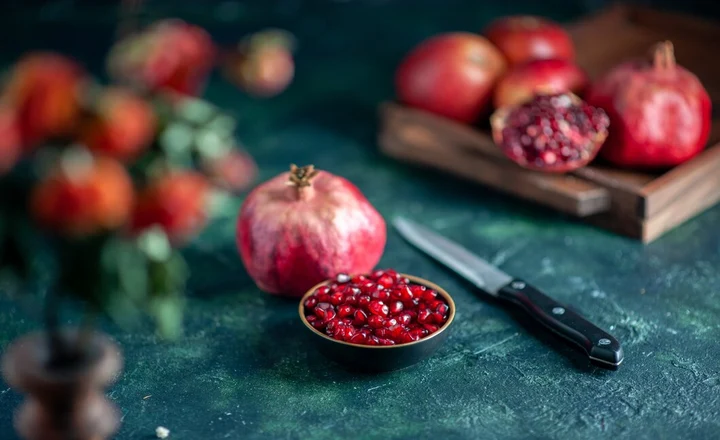
- Special Feast of Fruits and Treats: A festive array of fruits, especially watermelons and pomegranates, is essential due to their vibrant red hues symbolizing life and the promise of brighter days. The feast is rounded off with nuts, dried fruit, and seasonal sweets, fostering a sense of togetherness.
- Poetry and Fortune Telling: Immersing in the poetry of Hafez, families engage in reading and interpreting his verses, often seeking insights and predictions for the future. This tradition adds a reflective and spiritual dimension to the night’s celebrations.
- Vigil Through the Night: To ward off evil and welcome the first light of dawn, which signifies the triumph of good, attendees stay awake all night. This vigil underscores the symbolic victory of light over darkness and the sun’s renewal.
Last Word
Yalda Night in Iran stands as a profound testament to the enduring spirit of Persian culture, weaving together ancient traditions, familial bonds, and the universal themes of light, renewal, and community. As families gather to share in the ritual consumption of seasonal fruits, engage in the timeless poetry of Hafez, and stay awake through the longest night, they not only honor their heritage but also reaffirm their connection to each other and the natural world. Yalda Night transcends its historical origins, offering a moment of reflection, joy, and anticipation for the future. It encapsulates the warmth and resilience of the Iranian people, reminding us all of the power of tradition to foster hope, bring people together, and celebrate the cyclical nature of life.
FAQ
Yalda Night( Shabe Yalda) marks the winter solstice, the longest night of the year, and is one of the oldest Iranian traditions. It symbolizes the triumph of light over darkness and is celebrated with gatherings, special foods, and poetry readings, particularly of Hafez. It’s a time for family and friends to come together in warmth and joy, anticipating the lengthening days ahead.
Fruits, especially watermelons and pomegranates, play a significant role in Yalda celebrations. They symbolize the sun and life due to their bright red colors, echoing the themes of rebirth and the triumph of good. Eating summer fruits in the heart of winter is also a symbolic act of overcoming the cold and darkness.
Poetry, especially by the renowned poet Hafez, is a central part of Yalda Night. Families and friends gather to read and interpret his poems, often using them for fortune-telling. This tradition adds a reflective and spiritual dimension to the celebrations, connecting participants to Persian literary heritage and wisdom.
While Yalda Night is one of the most beloved cultural celebrations in Iran, it is not officially a public holiday. Nonetheless, it is widely observed by Iranians across the country and the Iranian diaspora, with preparations and gatherings taking place in homes to honor this age-old tradition.