The Natural Beauties of Qeshm Island
 Author : Alirezaa | Date : Wednesday 30 July 2025 15:37
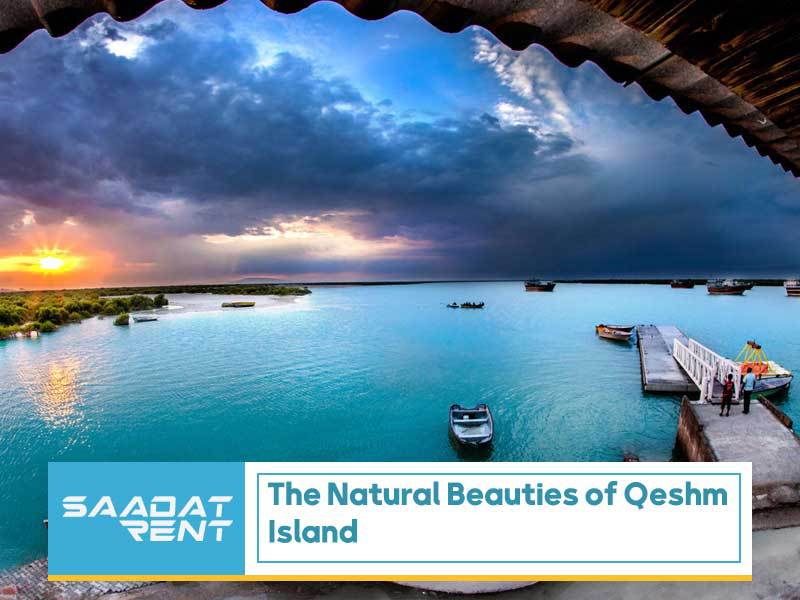
Nestled in the Persian Gulf, Qeshm Island emerges as a natural wonder, boasting an extensive 1,500 square kilometers of unparalleled beauty and geological significance. This largest island of Iran is a confluence of ecological diversity and striking landscapes, underscored by its prestigious recognition as a UNESCO Global Geopark. The significance of Qeshm extends beyond its strategic maritime location, revealing a rich tapestry of natural attractions, from majestic rock formations and the world's most extensive salt caves to verdant mangrove forests and vibrant coral reefs. As we embark on this vivid exploration of Qeshm Island's most captivating sights, we'll not only uncover the stories and wonders behind each attraction but also present them through a series of striking images. These photographs promise to transport you into the heart of Qeshm's natural splendor, showcasing the surreal landscapes of the Stars Valley, the serene expanses of the Hara Forests, and much more. Prepare to be enthralled by the visual feast that awaits, as we delve into the essence of Qeshm Island's beauty, making it a beacon for nature enthusiasts, researchers, and eco-tourists alike.
The Stars Valley
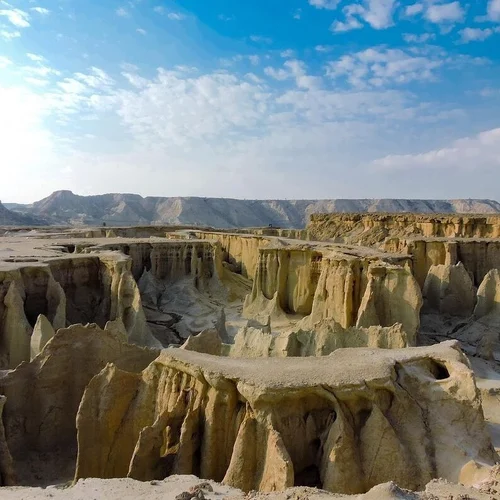
The Stars Valley on Qeshm Island is a striking natural wonder, sculpted over millions of years by erosion from wind and water. This geological marvel features unique rock formations, towering spires, and deep canyons, creating an otherworldly landscape. Local legend suggests the valley was formed when a star fell from the sky, lending the site its mystical aura and name. The valley's peculiar acoustics, where wind echoes through its crevices, further enhance its mysterious appeal, making it a captivating destination for visitors seeking to experience the blend of Qeshm's natural beauty and ancient myths.
Chahkooh Canyon
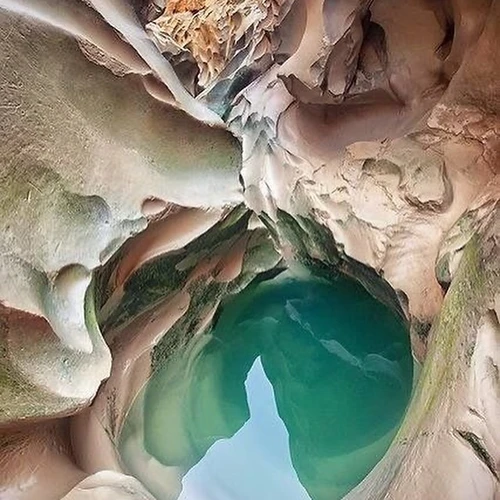
Chahkooh Canyon is a breathtaking gorge on Qeshm Island, famed for its deep, vertical walls and unique rock formations, carved by the forces of erosion. Named for the ancient wells (chahs) etched into its stone by locals to collect rainwater, the canyon showcases nature's artistry and human ingenuity. Its narrow passageways and towering cliffs offer a dramatic and photogenic landscape, making it a must-visit for adventurers and nature lovers.
Kharbas Caves
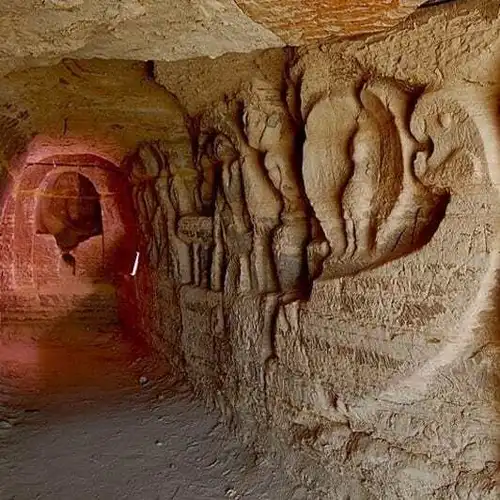
Kharbas Caves, situated on the northern coast of Qeshm Island, are ancient caves carved into limestone and conglomerate rocks. These caves are believed to have been both a man-made and natural phenomenon, originally serving religious purposes in the pre-Islamic era and later used as dwellings. The intricate system of caves highlights the sophisticated engineering and cultural practices of ancient inhabitants. Today, they offer a fascinating glimpse into the past, appealing to historians, archaeologists, and tourists intrigued by the blend of natural beauty and historical mystery.
Mangrove Forests of Qeshm (Hara Forests)
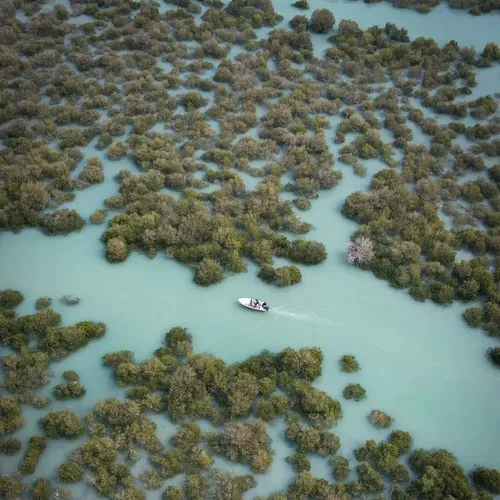
The Mangrove Forests of Qeshm, also known as the Hara Forests, are an ecological marvel located in the intertidal zone along the island's coastline. These forests are dominated by the Avicennia marina, a species of mangrove tree adapted to survive in high salinity conditions. The Hara Forests play a crucial role in the local ecosystem, providing habitat for a wide range of marine life, including fish, birds, and crustaceans. They also serve as important breeding grounds for many species and act as a natural barrier against erosion and storms. Visitors can explore these lush, green forests by boat, offering a unique opportunity to witness the vibrant ecosystem and the interaction between the mangrove trees and the surrounding marine environment.
Naz Islands
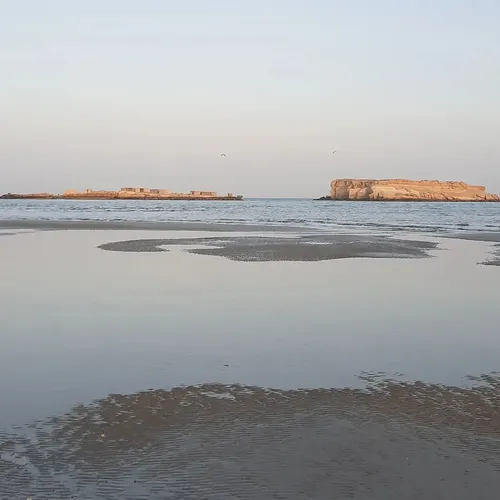
The Naz Islands are a pair of small islands situated off the southern coast of Qeshm Island, accessible by foot during low tide via a natural causeway. These islands are known for their scenic beauty, offering panoramic views of the Persian Gulf and the surrounding landscapes. The contrast between the sandy beaches and the rocky outcrops creates a picturesque setting, ideal for photography, picnics, and leisurely walks. The Naz Islands also provide a unique opportunity to experience the tidal phenomenon up close, as the pathway to the islands disappears under water at high tide, making them a fascinating destination for nature lovers and adventurers seeking to explore the natural wonders of Qeshm Island.
The Mesmerizing Beaches
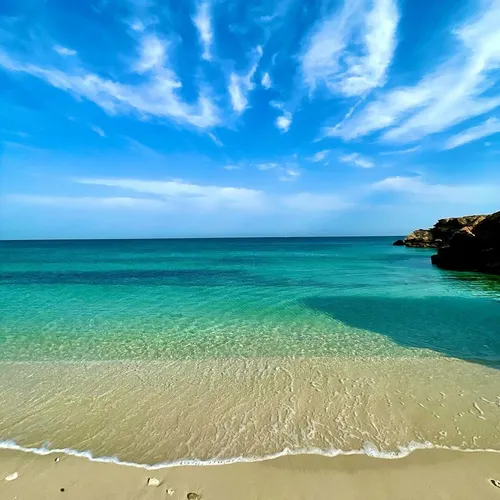
The Mesmerizing Beaches of Qeshm Island are a testament to the island's stunning natural beauty, featuring long stretches of pristine sands that meet the crystal-clear waters of the Persian Gulf. From the serene shores of Simin Beach to the vibrant coastlines of Silver Beach, each offers a unique setting for relaxation, swimming, and sunbathing. The beaches are also perfect for witnessing breathtaking sunsets, engaging in water sports, or simply enjoying the tranquil beauty of nature. The unspoiled landscapes and the rhythmic sound of the waves create an idyllic atmosphere, making Qeshm's beaches a must-visit for anyone seeking a peaceful escape or a romantic getaway amidst the island's enchanting natural splendor.
Salt Cave Of Qeshm
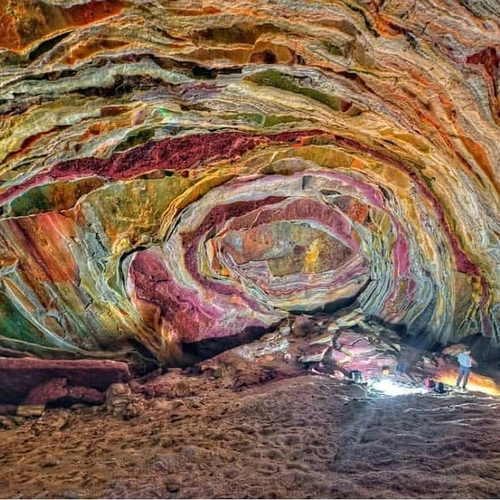
The Salt Caves of Qeshm, notably the Namakdan Salt Cave, stand out as one of the island's most extraordinary natural attractions. Namakdan, being one of the longest salt caves in the world, offers visitors a surreal experience with its sparkling salt crystals and unique salt stalactites and stalagmites formations. The cave's interior, illuminated by occasional shafts of light, showcases a mesmerizing array of colors and shapes, created over millennia as saltwater evaporated, leaving behind vast deposits of pure salt. Exploring these caves provides a glimpse into an otherworldly landscape, ideal for those interested in geology or anyone looking for a unique adventure. The cool, serene environment inside contrasts sharply with the outside temperatures, making it a refreshing stop during a tour of Qeshm's natural wonders.
Tandis Valley (Valley of the Statues)
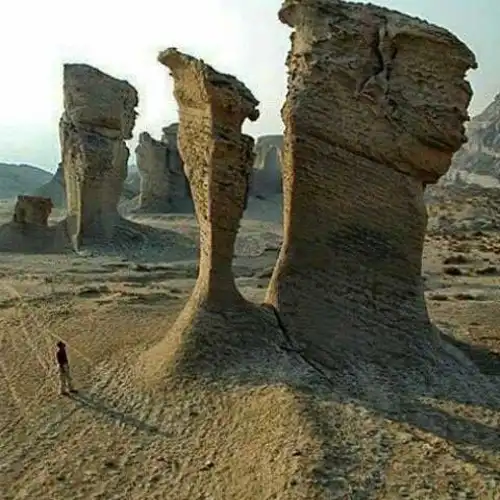
The Tandis Valley, also known as the Valley of the Statues, is a remarkable natural attraction on Qeshm Island, renowned for its limestone and sandstone formations that resemble various shapes and figures as if sculpted by an unseen artist. Over time, wind and water erosion have carved these rocks into silhouettes that mimic human and animal forms, creating an open-air gallery that sparks the imagination of its visitors. This valley offers a unique landscape that feels like stepping into a different world, where each turn presents a new 'statue' to interpret. Ideal for hiking, photography, and exploration, the Tandis Valley provides a tranquil yet mysterious setting, inviting visitors to ponder the natural processes that shape our world. It's a must-visit for those captivated by the power of nature and the beauty of Earth's geological wonders.
Qeshm Roof
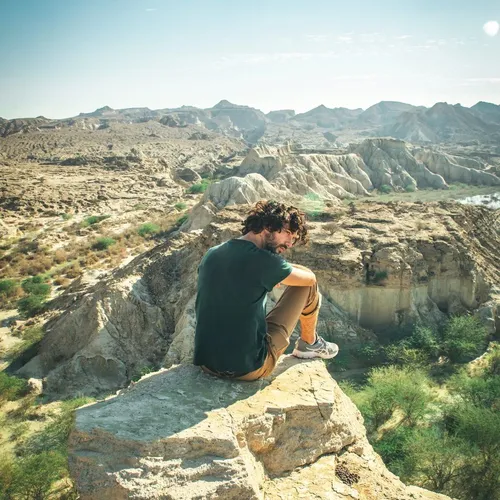
Qeshm Roof, often referred to as the island's highest point, offers breathtaking panoramic views of Qeshm and the surrounding Persian Gulf. This vantage point is not just a geographical peak but a symbol of the island's natural majesty, providing visitors with a unique perspective on the vast landscapes and seascapes that make Qeshm so special. From this elevated location, one can see the contrast between the rugged terrain of the island and the serene beauty of the waters that surround it. The journey to Qeshm Roof is as captivating as the destination itself, with paths that wind through some of the island's most picturesque areas. It's a perfect spot for nature lovers, photographers, and anyone looking to experience the tranquility and vastness of Qeshm's natural beauty from above.
Hengam Island
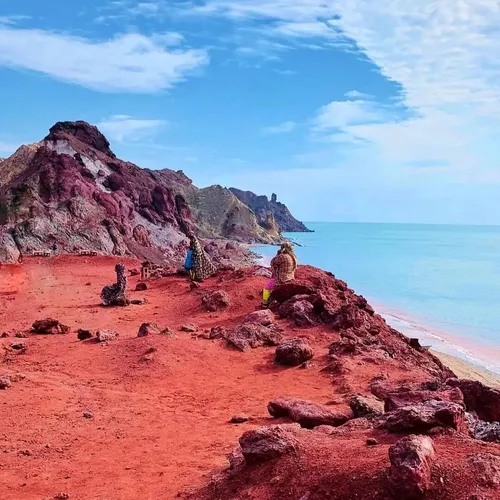
Hengam Island, located near the southern coast of Qeshm Island, is a serene and untouched paradise known for its wildlife, crystal-clear waters, and beautiful sandy beaches. The island is a haven for nature enthusiasts and those seeking tranquility away from the bustle of city life. One of the most remarkable sights on Hengam is the presence of dolphins near the shore, offering visitors a unique opportunity to observe these playful creatures in their natural habitat. Additionally, the local market offers handicrafts and fresh seafood, providing a glimpse into the local lifestyle. Hengam's clear waters are ideal for snorkeling, allowing visitors to explore the vibrant marine life and coral reefs. The island's tranquil beaches are perfect for relaxation and watching spectacular sunsets, making Hengam a must-visit for anyone exploring the natural wonders around Qeshm.
Turtle Beaches
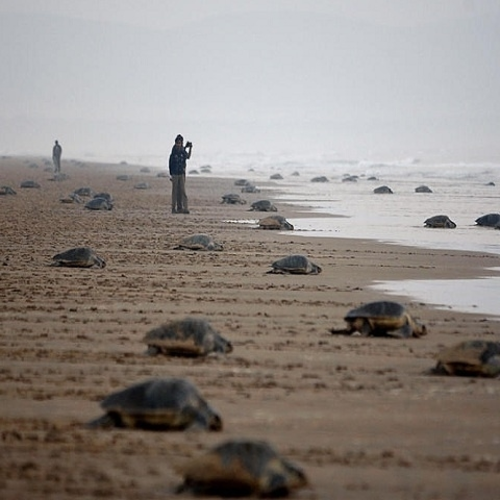
Turtle Beaches on Qeshm Island are serene stretches of sand renowned for their role as nesting grounds for endangered sea turtles, particularly the Hawksbill and Green turtles. These beaches transform into a conservation hotspot during the nesting season, as female turtles come ashore to lay their eggs under the cover of night. This natural phenomenon offers visitors a unique opportunity to witness one of nature's most delicate processes, emphasizing the importance of environmental preservation and wildlife protection.

The local conservation efforts aim to protect these vulnerable turtle populations and their nesting sites, ensuring the survival of these majestic creatures for future generations. Visitors to Turtle Beaches are encouraged to maintain a respectful distance and follow guidelines to minimize disturbance to the turtles. The experience of seeing turtles in their natural habitat, coupled with the breathtaking beauty of the beaches, makes Turtle Beaches a must-visit destination for nature lovers and those passionate about wildlife conservation on Qeshm Island.
Qeshm Wildlife
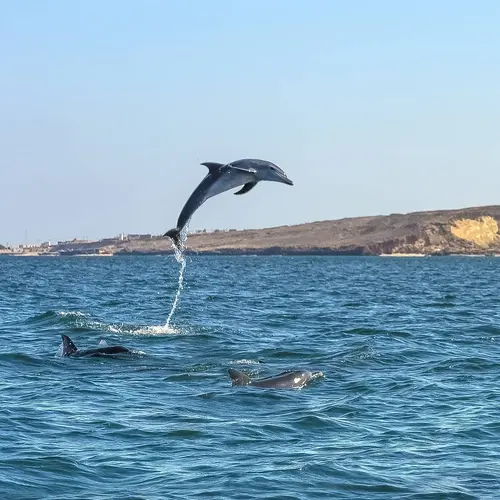
Qeshm Island is a biodiversity hotspot, boasting a rich variety of wildlife that includes a fascinating array of birds, reptiles, and marine life, thanks to its diverse habitats ranging from mangrove forests to rocky shores and desert landscapes.
- Birds: Qeshm is a haven for birdwatchers, with its mangrove forests serving as crucial habitats for migratory birds. Species such as flamingos, herons, and egrets can be observed, especially in the Hara Forests, where these birds find food and nesting sites.
- Reptiles: The island's arid climate and rocky terrain provide perfect conditions for a variety of reptiles. Geckos, lizards, and snakes are common, with some areas being home to unique species adapted to life in the Persian Gulf's harsh environment.
- Marine Life: The waters surrounding Qeshm Island are teeming with life, including dolphins, sea turtles, and a myriad of fish species. The coral reefs and mangrove ecosystems offer rich feeding grounds for marine creatures, making the island a critical area for marine biodiversity conservation.
These wildlife species not only contribute to the ecological balance of Qeshm Island but also enhance its appeal as a destination for nature enthusiasts and researchers. Conservation efforts are in place to protect these valuable natural resources, ensuring that Qeshm remains a sanctuary for wildlife and a testament to the natural beauty and diversity of Iran.
✔️Read More : Top Natural Wonders in Iran 2024
Last Word
Qeshm Island stands as a testament to the unparalleled beauty of nature, distinguished by its dramatic geological formations, vibrant ecosystems, and rich biodiversity. From the ethereal landscapes of the Stars Valley and the towering cliffs of Chahkooh Canyon to the ancient enigmas of the Kharbas Caves, Qeshm showcases the spectacular artistry of natural forces. The emerald expanse of the Hara Mangrove Forests, the serene Naz Islands, and the pristine stretches of its beaches offer tranquil sanctuaries for both wildlife and visitors. Delving into the Salt Caves or marveling at the natural sculptures of the Tandis Valley, alongside the panoramic splendor from Qeshm Roof and the diverse life on Hengam Island, highlights the island's ecological significance. With dedicated conservation efforts, especially at Turtle Beaches, Qeshm not only serves as a haven for endangered species but also as a beacon for sustainable tourism. This unique blend of natural wonders makes Qeshm Island an exceptional destination, inviting exploration and inspiring conservation, and ensuring its marvels continue to captivate for generations.
FAQs About Qeshm Island's Natural Attractions
In the following section, we answer some of the most common questions about visiting Qeshm Island and its unique natural wonders:
What are the top natural attractions to visit in Qeshm Island?
The most famous natural attractions in Qeshm Island include the Salt Cave (Namakdan Cave), Stars Valley, Hara Mangrove Forests, Naz Islands, Chahkooh Canyon, and the Tandis Valley. These sites showcase the island's unique geological and ecological diversity.
How can I get to Qeshm Island from mainland Iran?
You can reach Qeshm Island by flight from major cities like Tehran and Shiraz, or by ferry from Bandar Abbas. The island also has a domestic airport serving local flights.
Is Qeshm Island suitable for eco-tourism and nature lovers?
Absolutely. Qeshm is part of the UNESCO Global Geopark network and offers stunning landscapes, diverse wildlife, and opportunities for eco-tourism activities like kayaking in mangroves, hiking, and birdwatching.
What is the best time of year to visit Qeshm Island?
The ideal time to visit Qeshm is from November to March, when the weather is cooler and more suitable for exploring outdoor attractions. Summers can be extremely hot and humid.
Are there guided tours available for exploring Qeshm’s natural sights?
Yes, local tour agencies offer guided eco-tours to major attractions, often including transportation and professional guides who explain the geological and cultural significance of each site.
Can I rent a car to explore Qeshm Island’s natural wonders on my own?
Yes, renting a car in Qeshm is a convenient way to explore the island at your own pace. Companies like Saadat Rent offer rental services with or without a driver.